Self-Driving Technology: The Future of Autonomous Mobility
Self-driving technology is no longer a vision of the future—it’s rapidly becoming a reality that is transforming the way we move, commute, and think about transportation. From passenger cars and commercial fleets to public transit systems, autonomous mobility solutions are poised to redefine convenience, efficiency, and safety in our daily lives.
In this guide, we explore how self-driving technology works, its key components, real-world applications, and the opportunities it presents for businesses, governments, and consumers alike.
What Is Self-Driving Technology?
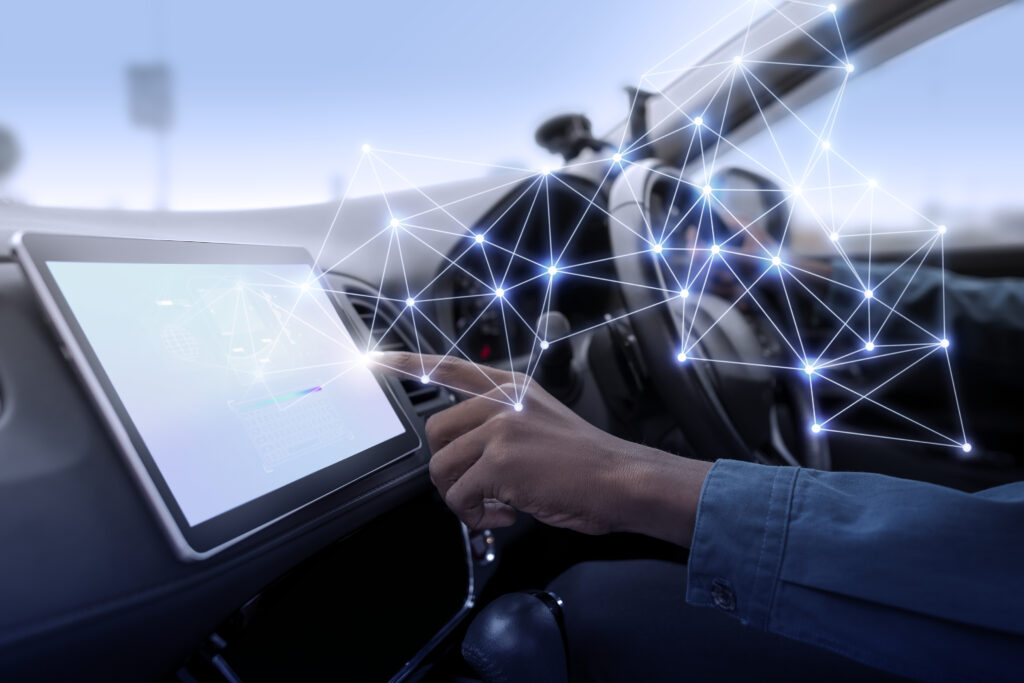
Self-driving technology, also known as autonomous driving or autonomous vehicle (AV) technology, refers to a system that allows vehicles to navigate and operate without human input. These vehicles use advanced sensors, cameras, radar, artificial intelligence (AI), and machine learning algorithms to perceive their environment, make decisions, and control driving functions.
Depending on their capabilities, autonomous vehicles are classified across six levels (0 to 5) as defined by the SAE (Society of Automotive Engineers), where Level 0 is no automation and Level 5 is fully autonomous in any driving condition without human intervention.
How Does It Work?
Self-driving technology relies on the integration of multiple systems:
Perception Systems: Lidar, radar, GPS, ultrasonic sensors, and cameras gather real-time data about road conditions, obstacles, traffic signals, and pedestrians.
AI & Machine Learning: AI algorithms process and interpret sensor data to make safe driving decisions in milliseconds.
Path Planning & Control: This system ensures the vehicle follows the optimal route, maintains speed, and adjusts for real-time changes like traffic or detours.
Connectivity: Vehicle-to-vehicle (V2V) and vehicle-to-infrastructure (V2I) communication enhance situational awareness and predict potential hazards.
The Benefits of Self-Driving Technology
- Enhanced Road Safety
One of the core promises of self-driving technology is the reduction of accidents caused by human error—currently responsible for over 90% of traffic incidents. Autonomous systems don’t get distracted, tired, or impaired. - Improved Traffic Efficiency
Autonomous vehicles can optimize driving routes, reduce congestion, and enable smoother traffic flow through smart coordination. - Increased Accessibility
Self-driving technology can provide greater mobility for the elderly, disabled, or non-drivers, promoting inclusivity and independence. - Lower Environmental Impact
Many self-driving prototypes are electric or hybrid, and their efficient driving behavior can reduce fuel consumption and emissions. - Cost Reduction for Fleets
Businesses using AVs for deliveries or transport can significantly lower long-term operational costs by minimizing driver salaries, fuel wastage, and vehicle wear-and-tear.
Who Should Care About Self-Driving Technology?
This evolving field presents immense opportunities across various sectors:
Automotive Manufacturers: OEMs and startups must embrace self-driving technology to remain competitive.
Logistics & Delivery Companies: Autonomous fleets streamline operations, reduce costs, and improve reliability.
Smart City Planners: Governments can enhance public transit systems and infrastructure through AV integration.
Investors & Innovators: Venture capitalists and tech companies have an avenue for groundbreaking innovation and growth.
Everyday Consumers: Soon, families and individuals will benefit from safer and more convenient personal transport.
Current Real-World Applications
Self-driving technology is already in use in several environments:
Autonomous Taxis: Companies like Waymo, Cruise, and Baidu are testing and deploying driverless taxi services in select cities.
Last-Mile Delivery: Robots and self-driving vans are increasingly being used for package and food delivery.
Public Transportation: Pilot programs are underway using autonomous shuttles in urban centers and university campuses.
Trucking & Freight: Autonomous trucks are being tested for long-haul deliveries to address driver shortages and improve logistics.
Challenges in Adoption
Despite its potential, self-driving technology faces a few significant challenges:
Regulatory Hurdles: Policymakers must balance innovation with public safety, creating consistent standards across states and countries.
Ethical Considerations: AVs must be trained to handle moral dilemmas and unpredictable human behavior.
Cybersecurity Risks: As connected vehicles increase, so does the risk of hacking and data breaches.
Public Trust: Building consumer confidence through transparency, testing, and education is crucial.
The Road Ahead: What’s Next?
The next decade will witness exponential growth in autonomous mobility. As technology matures, the cost of self-driving systems will decrease, infrastructure will adapt, and public trust will increase. Major automotive and tech firms are heavily investing in research, development, and partnerships to accelerate mass adoption.
5G connectivity, real-time cloud processing, and edge computing will further enhance the accuracy and responsiveness of autonomous vehicles. Integration with smart city infrastructure will open new horizons for seamless transportation ecosystems.
Why Choose Us for Self-Driving Solutions
At [Your Company Name], we specialize in building and integrating cutting-edge autonomous driving solutions tailored to meet industry-specific needs. Whether you’re looking to optimize fleet operations, explore AV software development, or invest in the future of mobility, our team offers end-to-end expertise, compliance knowledge, and scalable architecture.
What we offer:
Custom AV software development
Sensor integration and simulation testing
AI-driven perception and decision-making systems
Safety validation and compliance with regulations
Get Started with Self-Driving Technology Today
The era of autonomous mobility is here, and it’s moving fast. Partner with a team that understands the complexity and the promise of self-driving technology. Whether you’re a business looking to implement AV solutions or a government body shaping smart mobility strategies, now is the time to act.
Contact us today to schedule a consultation or explore partnership opportunities that drive the future of transportation.

